You signed up for laser hair removal to say goodbye to ingrown hairs, so it feels a bit rude when little bumps show up after a session. Rude, but common, and usually more about what is happening at the surface of your skin than about the laser. Here is how to look after your skin between sessions without making things worse.
The ground rule: your clinic knows your skin, your settings and your history. Follow your provider’s aftercare first, and treat everything below as everyday skin care that fits around it.
What is normal right after a session
The American Academy of Dermatology says you will see some redness and swelling after treatment, often looking like a mild sunburn, and that a cool compress can ease the discomfort. It also advises keeping direct sun off treated skin, skipping tanning beds and sun lamps, and following your dermatologist’s aftercare instructions (AAD, Laser hair removal FAQs).
Why bumps can appear
Treated hairs do not disappear on the spot; your provider can tell you when to expect them to shed. In the meantime, a few things can make bumps more likely:
- Dry, flaky skin that leaves a layer of dead cells at the surface.
- Friction and heat from tight waistbands, leggings and sweaty workouts.
- Hurried shaving between sessions, especially dry or with a dull blade.
The first couple of days: do less
- Lukewarm showers and a gentle, fragrance-free cleanser.
- Loose cotton clothing over the treated area.
- No scrubs, acids, dry brushing or stiff brushes until your clinic clears you.
- A light, fragrance-free moisturizer morning and night.
- Hands off any bump that has already formed. Picking can leave a mark that outlasts it.
Once your clinic says you can exfoliate
Gentle, regular exfoliation keeps loose surface skin from building up. The AAD advises being gentle, matching the method to your skin, moisturizing afterward, and not overdoing it, since too much can leave skin red and irritated (AAD, How to safely exfoliate at home). Once or twice a week is a sensible start. Light, even coverage is kinder than pressing hard on one spot.
Shaving between sessions
If your clinic has you shave between appointments, the AAD’s razor bump tips apply: use a moisturizing shaving cream, shave in the direction your hair grows, use a sharp blade, and finish with something soothing (AAD, Razor bump prevention). Ask your clinic before any waxing, tweezing or epilating between sessions.
When to call your clinic
- Blistering, crusting or open skin.
- Pus, spreading redness, warmth, or a bump that keeps getting bigger.
- Pain that is getting worse instead of better.
- Lightening or darkening of the treated skin.
- Bumps that keep coming back in the same place session after session.
Where BUFF fits
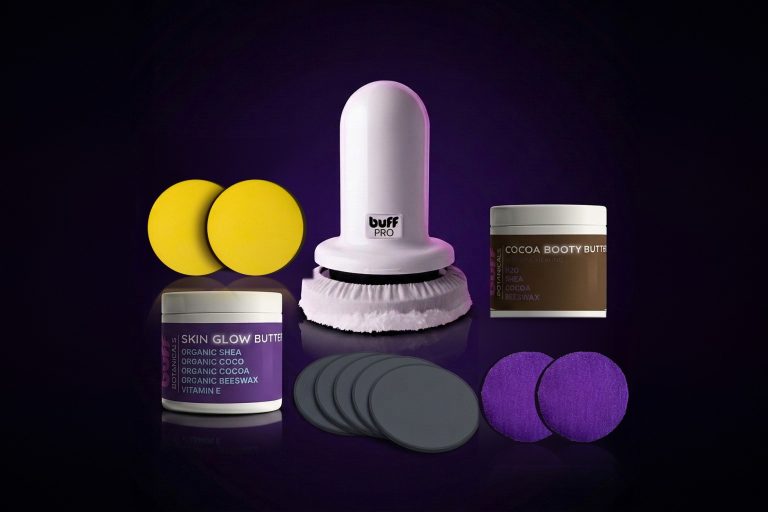
This part is about BUFF, not the dermatology above, and it is not a treatment for ingrown hairs. Once your provider has cleared you to exfoliate, BUFF PRO with a BUFFSMOOTH exfoliator gives you an easy, even way to polish the surface so skin feels smoother, without scrubbing harder where your hand happens to be strongest. Use it as directed, and skip any skin that is still pink, warm or irritated.
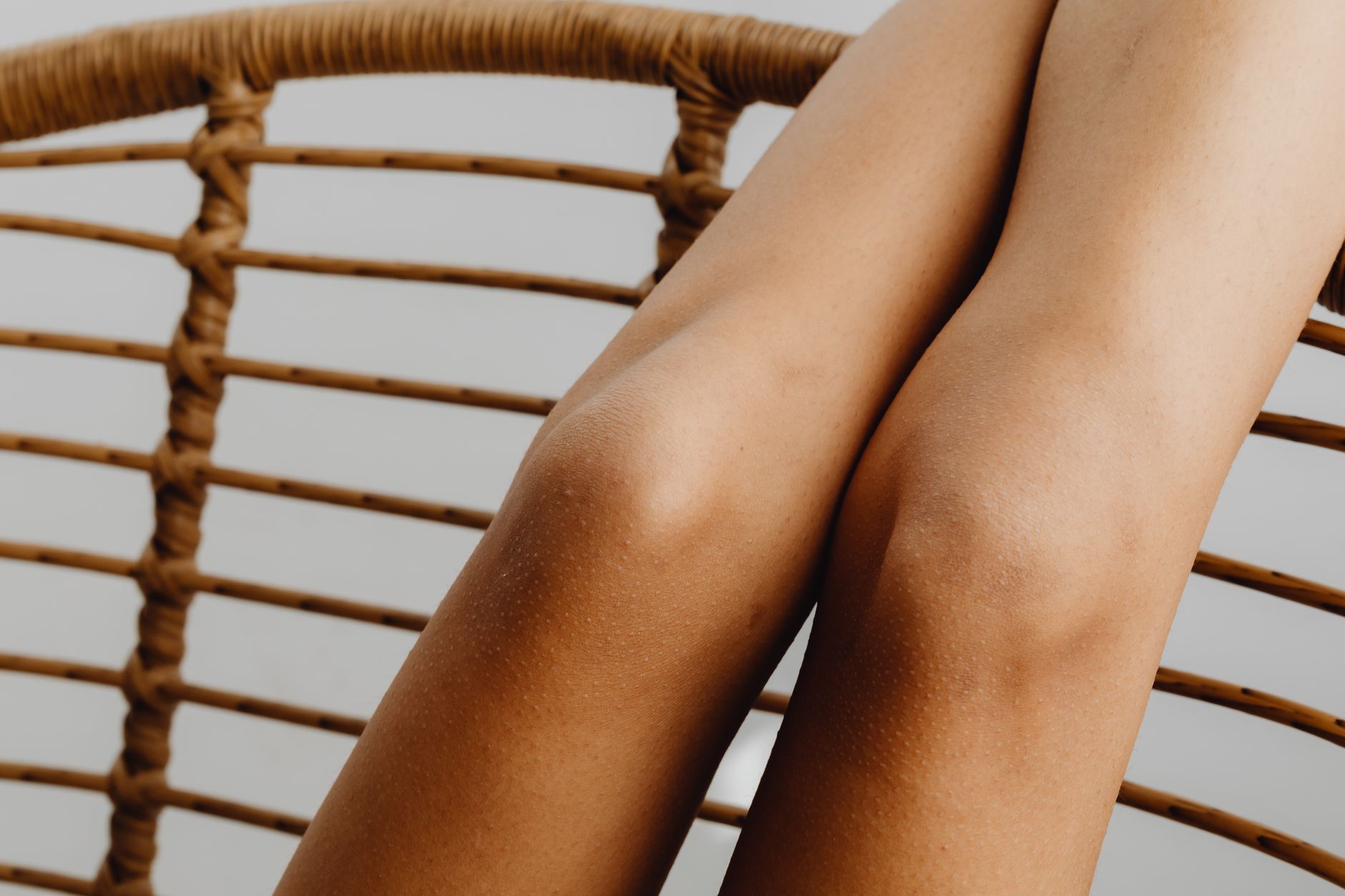
Be patient with your skin between sessions: cool it, moisturize it, leave the bumps alone, and exfoliate gently once you are cleared. Smooth legs are worth a little restraint.