Your client just floated off the table with skin that feels like silk, a little glow and zero interest in leaving. That is the best sales moment your spa will ever have, and most of the time it ends with a goodbye at the front desk and nothing in a bag. Retail does not have to feel like selling. Done right, it is just letting a happy client take the feeling home.
Retail is also the one line in your spa that is not capped by chair time. Every service dollar is limited by rooms, hours and hands. A jar of body butter sold at checkout uses no treatment time at all, and a client who comes back for the next jar keeps that income going whether or not the schedule is full. Here is how to build it, in the order to actually do it.
Start by measuring one number
Before changing anything, calculate retail dollars per service ticket: total retail sales for the week divided by services performed. That is your baseline, and it beats total retail revenue because it strips out how busy the week was.
Then break it down two ways:
- By provider. Expect a spread. Your best retail provider is rarely the pushiest one; it is usually the one who uses the products in the room and mentions them naturally. Have that provider coach the others.
- By service type. Some services attach retail far better than others, and your own numbers will show you which. Start with your highest-attaching service.
Track it weekly where the team can see it. A visible number gives everyone something to move.
Stock what clients run out of
The most common merchandising mistake is stocking impressive things instead of repeatable things. A one-time gadget sale can leave you a shelf of dead inventory. A product a client uses up and repurchases brings them back without you spending a dollar on marketing.
- Body butters. They get used, finished and repurchased. The easiest reorder on the shelf.
- Mitts and applicators. A low price and an easy yes for a client who just watched one used on them.
- Exfoliator packs. The home version of the step you just performed.
- A device, for the client who wants the whole ritual at home. Fewer sales, a much larger ticket.
Three to five products, stocked deep, beats fifteen stocked thin. A team can genuinely learn five products. Nobody learns fifteen, and products nobody can talk about tend to sit.
The demo is the sale
Retail is decided on the table, not at the register. A client who felt a product on their own skin thirty minutes ago already knows what it does; a client seeing a jar for the first time while paying is being asked to guess. Build the mention into the treatment itself:
- Use the retail product in the service, the actual jar the client can buy, not a back-bar substitute.
- Name it once, out loud, while it is on their skin: “This is the body butter I’m using today.”
- Hand it over. Holding it, smelling it and reading the label does more than any pitch.
- Leave it beside the client, not back on the cart, so it is still in the room when they sit up.
That is a few seconds of work inside a service you were performing anyway.
Write the sentences your team says
“Be more consultative” is not coachable. Actual sentences are. Write them, post them in the back room, and let each provider make them their own:
- For the butter: “This is what I just used on you. A little after your shower keeps your skin feeling soft and moisturized.”
- For the mitts: “These are what I used to put the butter on. They make it easy to spread at home, even on the backs of your legs.”
- For the exfoliator pack: “This is the same first step I did today, for your routine at home. Just follow the directions on the pack.”
- For the client who asks about the device: “It’s the same system I just used, and there’s a home kit if you want the whole ritual.”
Notice that not one of them asks for the sale. Each one explains what the thing is for and leaves the asking to the client.
Make the shelf a decision, not a museum
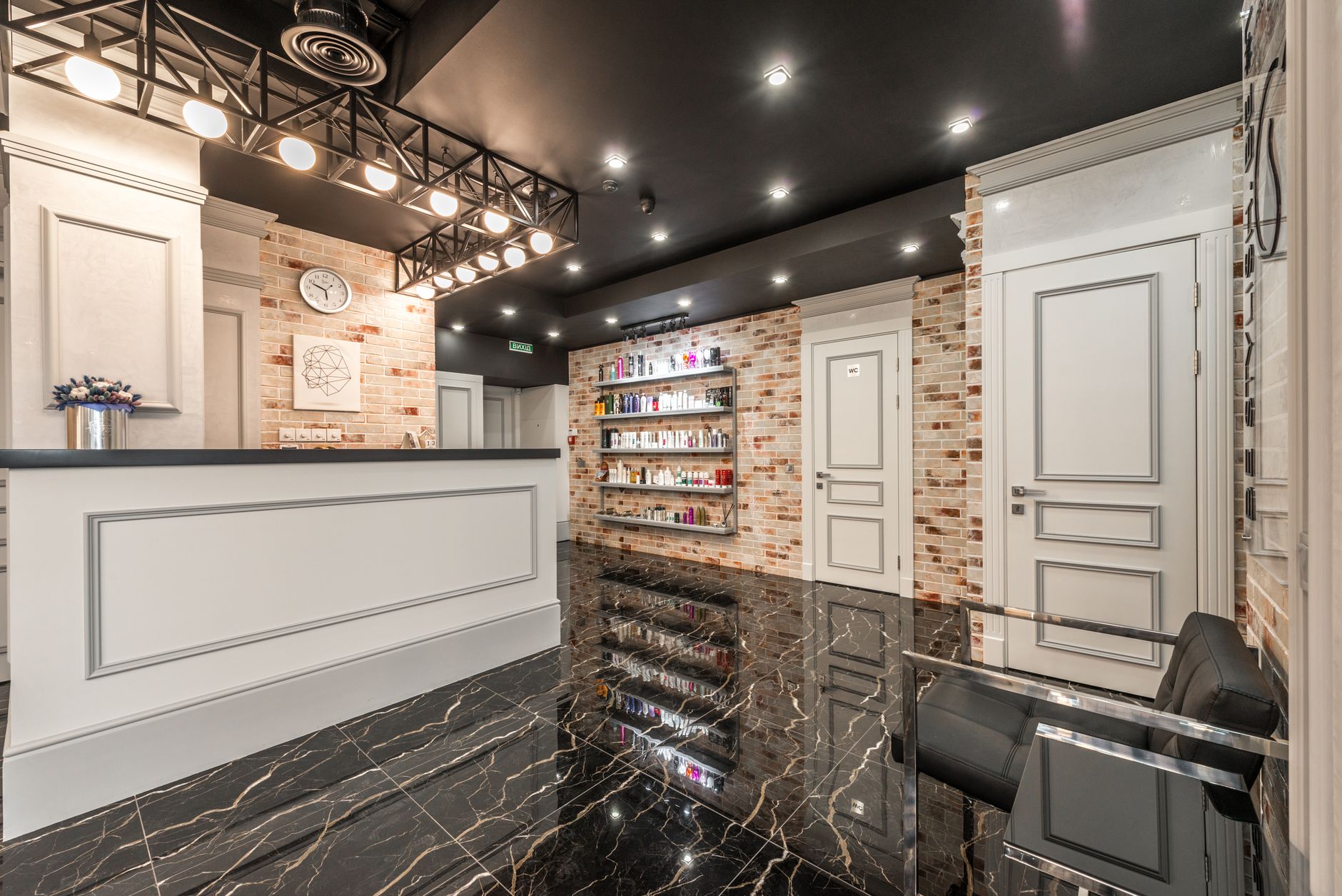
- Eye level, at checkout. Not across the lobby, not behind glass, not locked.
- Prices on everything. A client who has to ask a price often does not ask.
- Open testers. One of every butter, unsealed, with a spatula, so smell and texture can do the talking.
- Fewer facings, more depth. Three of one butter looks intentional. One each of nine things looks like leftovers.
- Nothing dusty, nothing empty. A gap reads as discontinued, not popular.
- Restock before your busiest days, so the shelf is full when the most clients see it.
Pay for it, plainly
If retail is not part of your team’s pay, it is a favor you are asking them to do. Keep the structure simple enough to explain in one sentence: a flat percentage of what each provider sells, paid every pay period, with no tiers nobody can calculate. Some providers would rather take product credit than cash, so it is worth offering both.
Set the team target on retail per ticket rather than total dollars, so a slow week is still winnable. Celebrate the provider whose number moved most, not the highest number, or the same person wins every time and everyone else stops trying.
Put the home care in writing
Clients forget your recommendation before they reach the parking lot. A small card fixes it: what you used today, what to use at home, how often the product directions say, and when to come back. Put the rebook date and the two products on one card so the habits reinforce each other. Once you know how long a client usually takes to finish a jar, a friendly note just before that point does more than any discount later on.
Bundle the way clients think
- A take-home set at a small saving against the pieces separately. Butter plus mitts is the obvious pair.
- A refill offer for anyone rebooking: pick up the next jar at the next appointment.
- Stock-up pricing for regulars who buy the same thing every visit anyway.
- Seasonal framing: sandal weather, wedding season, holiday gifting.
Four ways this goes wrong
- Retail comes up only at checkout, when the client is already reaching for a card and mentally out the door.
- Too many products, so nobody on the team knows any of them well.
- Providers who do not use the products themselves. Clients can tell.
- Discounting the reorder item. Once a butter is a sale item, regulars learn to wait for the sale.
A 30-day plan
- Week 1. Calculate retail per ticket, overall and per provider. Cut the shelf to five.
- Week 2. Write the sentences. Open testers. Move the shelf to eye level at checkout, prices showing.
- Week 3. Put the product in the room and make the hand-off part of every service. Print the home-care card.
- Week 4. Post the numbers, pay the commission, and compare against your Week 1 baseline.
Where BUFF fits
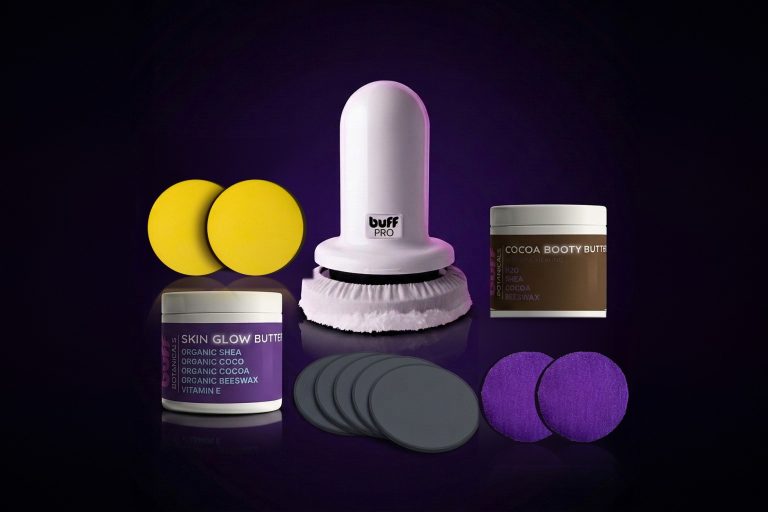
This part is about BUFF. If you offer BUFF & GLOW, the retail shelf follows the treatment: the Skin Glow Butter you finish the service with, the Violet Lotion Mitts that help spread it, and BUFFSMOOTH exfoliator packs for clients who use BUFF PRO at home. Each one is something your client already felt on the table, which is the whole idea. Professional kit pricing is on the pro page, and you can ask about wholesale pricing for your shelf.
Think of the retail shelf as the encore. Your client already loved the show; you are simply handing over the album on the way out. A little more BUFF in their bathroom, a little more breathing room in your numbers, and nobody on your team has to turn into a salesperson to make it happen.